- April 25, 2025
- 7:00 am
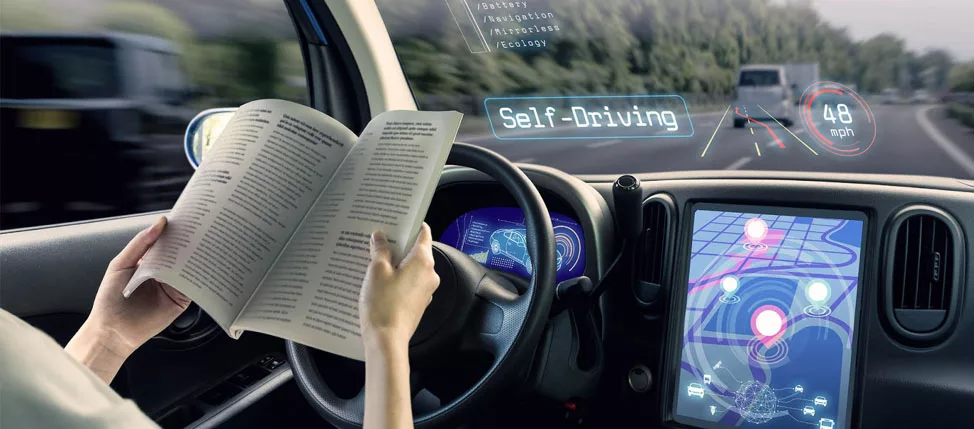
The concept of self-driving cars once sounded like science fiction. Today, the automotive world is buzzing with the idea that fully autonomous vehicles could be just around the corner. But how close are we, really, to a world where cars drive themselves? While the technology is advancing rapidly, the path to full autonomy is more complex—and more nuanced—than it might seem.
Where We Stand: The Levels of Autonomy
To understand the road ahead, it helps to break down autonomy into levels. The Society of Automotive Engineers (SAE) defines six levels of vehicle autonomy—from Level 0 (no automation) to Level 5 (full autonomy with no human input). Most cars on the road today fall between Level 1 and Level 2, offering features like adaptive cruise control, lane-keeping assistance, and automatic emergency braking.
Level 3 and beyond allow the car to make decisions and navigate without driver input under certain conditions. However, widespread deployment of Level 4 and Level 5 vehicles still faces challenges in terms of cost, infrastructure, safety regulation, and public acceptance.
The Role of Today’s Vehicles in Tomorrow’s Technology
While fully self-driving cars aren’t here just yet, the vehicles we offer today are laying the groundwork. Many modern SUVs and trucks come equipped with advanced driver-assist systems that not only make driving easier but also help drivers become more comfortable with automation.
These systems include blind-spot monitoring, collision avoidance, and intelligent cruise control—technologies that build trust and act as stepping stones toward more autonomous experiences. In the meantime, they make everyday driving safer and more convenient, especially for families or those frequently on the road.
Why Trust and Testing Still Matter
Despite major advancements in software and sensors, even the most advanced vehicles need extensive real-world testing before they can safely navigate complex environments on their own. Weather, road conditions, and unpredictable human behavior are just a few of the challenges that fully autonomous systems must consistently handle.
For this reason, most industry leaders are rolling out self-driving technology slowly, often in controlled environments or specific geographic areas. Full autonomy might eventually be common, but it’s unlikely to replace traditional driving across all vehicle types anytime soon.
What This Means for Today’s Car Buyer
So, where does this leave the average car shopper today? The answer is simple: modern vehicles are smarter, safer, and more capable than ever before. While you may not be able to sit back and let your SUV handle the entire drive just yet, you’ll still benefit from technology that enhances your control and awareness on the road.
At Moto Ai Inc, we recognize the importance of equipping drivers with the latest safety and convenience features while keeping our inventory practical and accessible. We carefully select vehicles that combine everyday reliability with modern technology, offering a future-forward experience for today’s drivers.
Looking to learn more about the latest in automotive technology or explore vehicles with advanced safety systems? Visit us at Moto Ai Inc, located at 402 N Buchanan St, Amarillo. You can also reach us at 806-367-8000 or email motoai.dallas@gmail.com.
Let’s help you find a vehicle that’s ready for what’s next—where modern features meet peace of mind, and the road ahead looks smarter than ever.